Quantum Computing
Think tank on quantum computing strengthens collaboration between industry and research
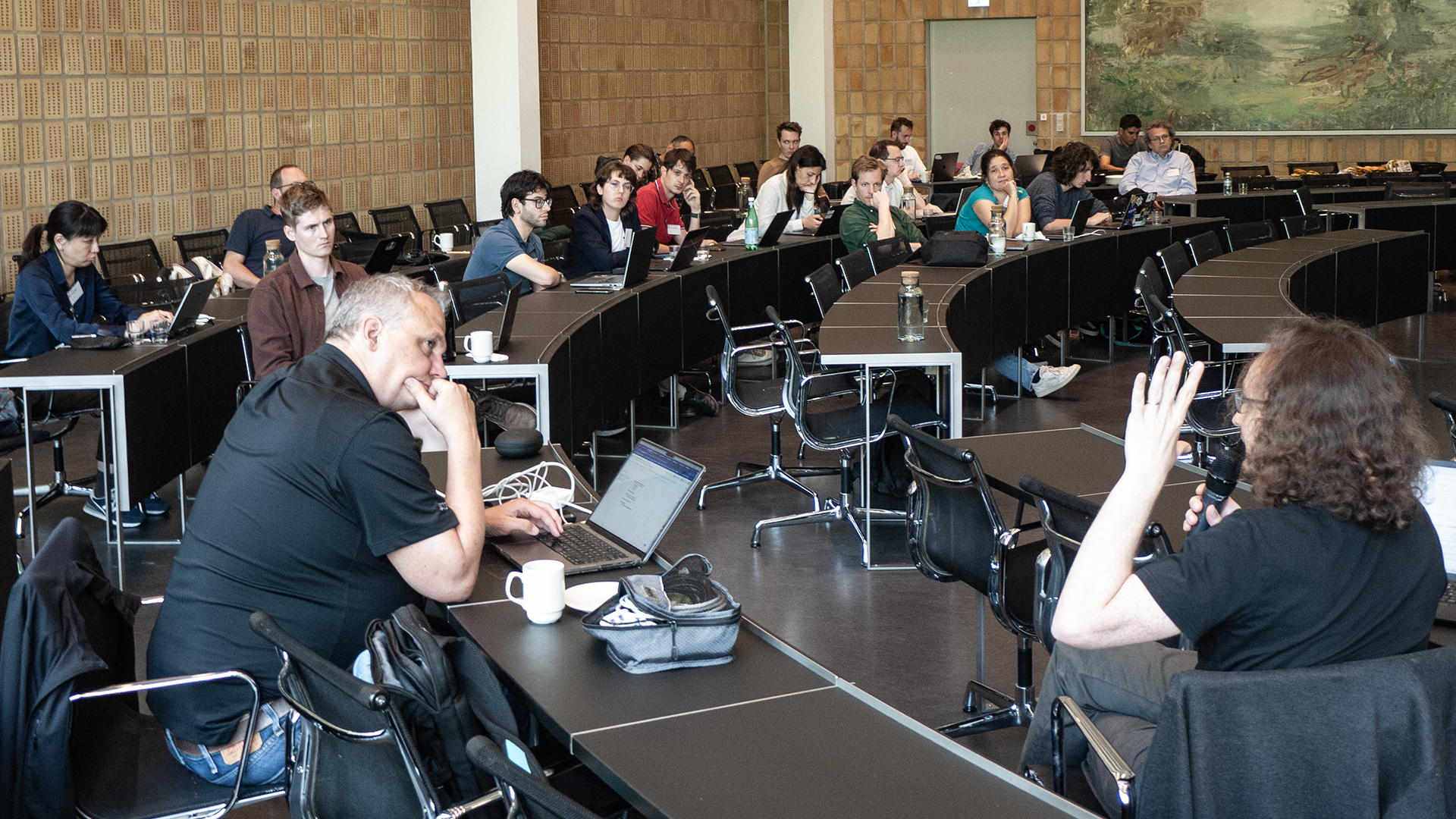
Last week in May, DTU organised the think tank for quantum computing ‘European Quantum Systems and Software Summit (EQS3)’. The summit brought all European quantum companies and selected researchers together for intensive and deep discussions on how to integrate quantum computing and HPC. The outcome will be shared with the EU.

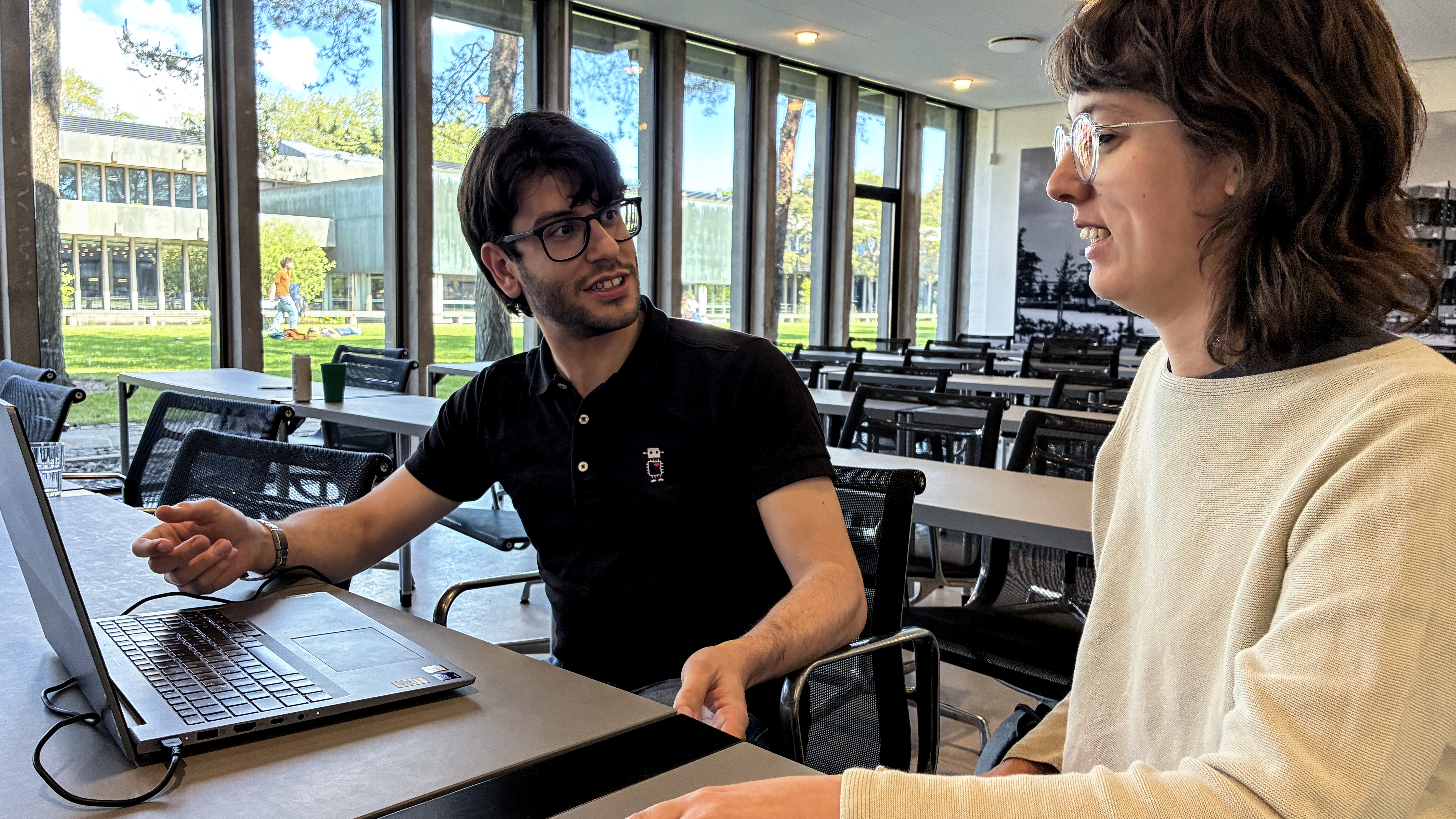
Industry: Become aware of needs from both users and quantum vendors
HPC specialist Roberto Rocco and Quantum Developer Gabriella Bettonte from E4 Computer Engineering in Scandiano in Italy, were among the participants.
E4 was founded about 20 years ago. The main business is building and supplying HPC systems, and the company has also been working in quantum computing for the past few years, especially on HPC–quantum integration.
“E4 is involved in several Italian and European projects, so it’s natural for us to join EQS, as it’s a very interesting forum for discussing how the field is evolving. The network has grown a lot, and the discussions have evolved significantly,” says Roberto Rocco.
“In our European projects, we need to develop solutions that users will actually adopt. So, understanding where research is heading helps us stay aligned with both the market and our partners. It’s a good way to stay updated, to take part in the discussions, and to both learn and contribute to the consortium’s overall direction.”
Gabriella Bettonte adds: “We have definitely gained new ideas that we can reflect on and potentially incorporate into the solutions we are developing. We’ve also become aware of needs from both users and quantum vendors that we hadn’t fully considered before – especially regarding requirements for HPC–quantum integration. And I think it’s one of the most interesting events out there, also from a technical point of view.”

US-engineer: the solutions we develop will be global
Amir Shehata is an HPC Systems Software Engineer at Oak Ridge National Laboratory in Tennessee, US. He has been working with, among others, Sven Karlsson on HPC–quantum integration. He participated in the event at DTU as one from outside Europe:
“What they’re doing here overlaps a lot with what we’re doing in the lab in the US, and we face the same challenges. So, it makes sense to collaborate and coordinate, because in the end the solutions we develop will be global – not just for the US or Europe.”
He travels home with a wealth of new knowledge and ideas, especially regarding integration.
“Here we’re discussing fault-tolerant quantum computing, which is the next stage of development. There are several vendors here with deep expertise in that area, so it’s very valuable to hear how they plan to implement fault tolerance and how their systems will interact with HPC centres. It’s all new knowledge,” says Amir Shehata.
Contact
Sven Karlsson Professor svea@dtu.dk